Titiro whakamuri, kōkiri whakamua
Look back and reflect, so we can move forward.
With 259 registrations, the 2026 edition of Te ORA’s Hui-ā-Tau and Scientific Conference was, quite simply, magnificent. Held At Waipapa Taumata Rau Tāmaki Makaurau from 4–6 September, the hui brought together Māori medical students, doctors, researchers, health professionals, whānau and our sponsors to celebrate 30 years of Te Ohu Rata o Aotearoa, the Māori medical practitioners’ association.
The theme, Titiro whakamuri, kōkiri whakamua, captured the mauri of our weekend. It was a celebration of the people and kaupapa that have brought Te ORA to where it is today, while also creating space to think about what the next generation of Māori doctors might contribute. At the AGM, members welcomed Dr Chloe Fergusson-Tibble onto Te ORA’s Board.
A reflection from the floor, by Dr Chloe Fergusson-Tibble, Te ORA’s newest Board member and resident medical officer.
There is something particularly powerful about experiencing this as junior members in the room. We were surrounded by the whakapapa of Māori medical leadership, and by the people, living and passed on, who have challenged systems, created opportunities, advocated for our communities and paved pathways for us that simply did not exist before. Sitting in that room made it possible to truly appreciate just how much courage, persistence and collective effort has gone into creating the space we now occupy. None of that means the work is finished.
The hui provided an opportunity to celebrate the achievements of Te ORA over the past 30 years while exploring the challenges and opportunities ahead for Māori health. Our superheroes reflected on the establishment and evolution of Te ORA, sharing stories of the people and experiences that shaped our beloved organisation.
The Scientific Conference then moved between research, clinical practice, mātauranga Māori, medical education, workforce development and more. Presentations explored issues including cancer, metabolic health, taha wairua and taha hinengaro, health equity, cultural safety and innovative approaches to improving health outcomes for Māori. The sessions and the final panel discussion helped tauira and rata understand that the opportunities available to Māori doctors now, the networks, mentorship, advocacy, visibility and sense of belonging, have come from the work of people who were willing to stand up and make changes when the pathway was much harder. What made the conference particularly valuable was that it wasn’t simply about presenting research. It was about sharing whakaaro and learning from each other about asking what is working, what isn’t, and what we can do differently.
The hui also created space to acknowledge the current political climate, or “silly season” as our mareikura Professor Papaarangi Reid astutely reminded us. The time where anything Māori becomes the political football and which is a distraction from the much bigger issues affecting our communities. And, true to her style, and whilst also attending the hui, Papaarangi published an E-Tangata article responding to the political attacks on MAPAS, because tauira Māori wanted our response to be public. What an extraordinary example of the purpose of our hui.
Our senior members are very well equipped for this fight. They have been doing this work for decades. They know the history, understand the politics, know and create the evidence, and importantly, know how to navigate the media and communications environment. There was a real sense that our senior members are rightfully leading the media and communications response to this current climate, while the rest of us, particularly those who are more junior, have the privilege of watching, learning, practicing and growing our own voices.
We can learn from our superheroes, not just about medicine, but about how to advocate, how to respond when our communities are challenged, when to speak, when to listen, and how to keep doing the work when the political noise gets loud. We are reminded that our role is first and foremost to get trained as doctors and specialists. And perhaps that is another part of the whakapapa that became so apparent during this hui. The people who came before us aren’t just the superheroes who created the pathways we now walk. They are still walking alongside us. Still fighting the good fight. And still showing us how it’s done.
There was also a strong focus on the future workforce. The Medical Careers Expo created opportunities for tauira and emerging doctors to connect with Māori doctors, specialists and medical colleges and to hear about different career pathways. We could see where we had come from, where we are now, and begin to imagine how and where we might fit into what comes next.
On Saturday night we came together at Cordis Auckland for the Awards Dinner. The evening opened with a short documentary tracing the beginnings of Te ORA, with the whānau of some of our trailblazers in the room to remember them with us. It was a highlight of the weekend, and a chance to stop, celebrate, dance and acknowledge some of the remarkable people who make up our Te ORA whānau. Anake Goodall presented the Maarire Goodall Award in his father’s name, and the whānau of Dr Tony Ruakere and of Dr Paratene Ngata presented the awards that carry theirs.
Te ORA 2026 Award Recipients
The Maarire Goodall Award
Sponsored by Maarire Goodall Charitable Trust
Dr Elana Curtis
(Te Arawa)
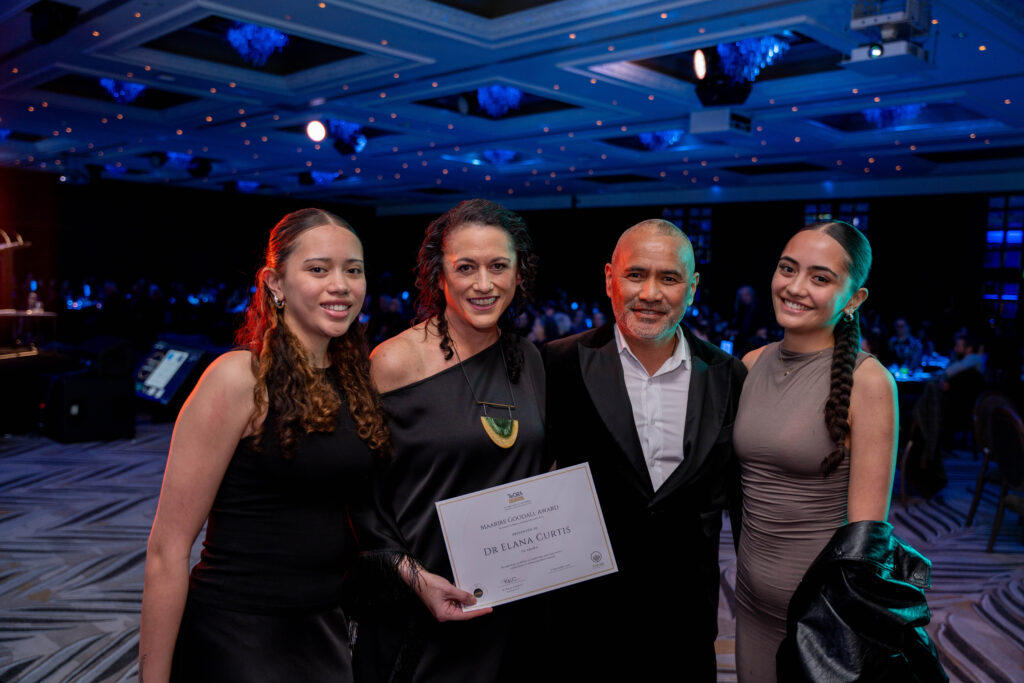
Pictured here with her whānau.
The Doug Sinclair Award
Presented for the first time in 2026
Professor David Tipene-Leach
(Ngāti Kahungunu)
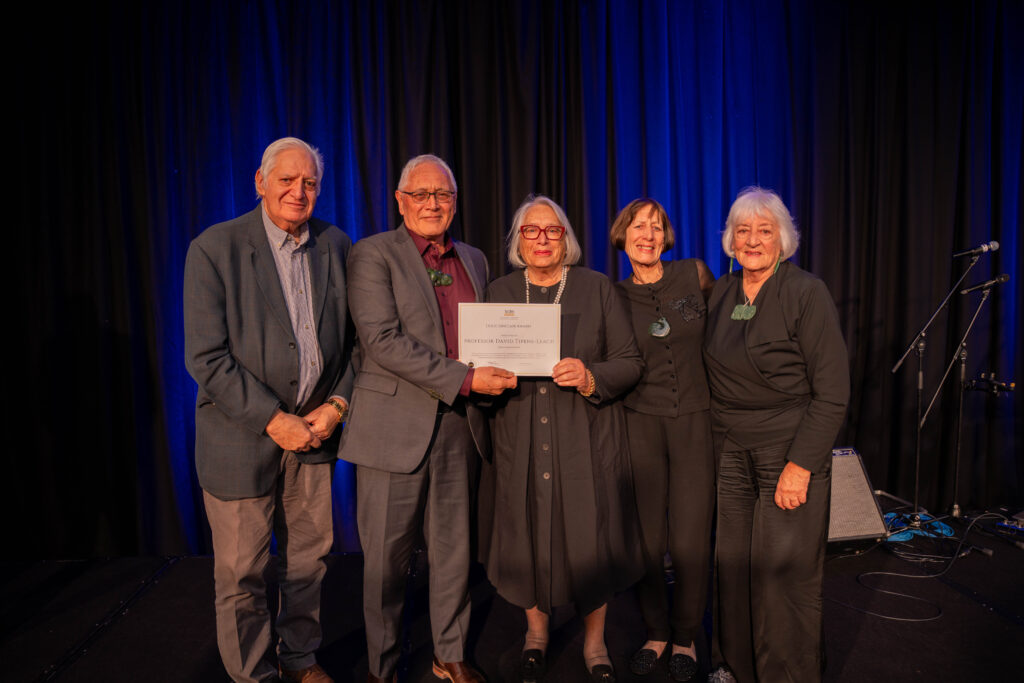
Pictured here with the Sinclair whānau
Ngākau Ora Award – in memory of Dr Paratene Ngata
Sponsored by Medical Assurance Society
Professor Jonathan Koea
(Ngāti Mutunga, Ngāti Tama, Te Ātiawa nui tonu)
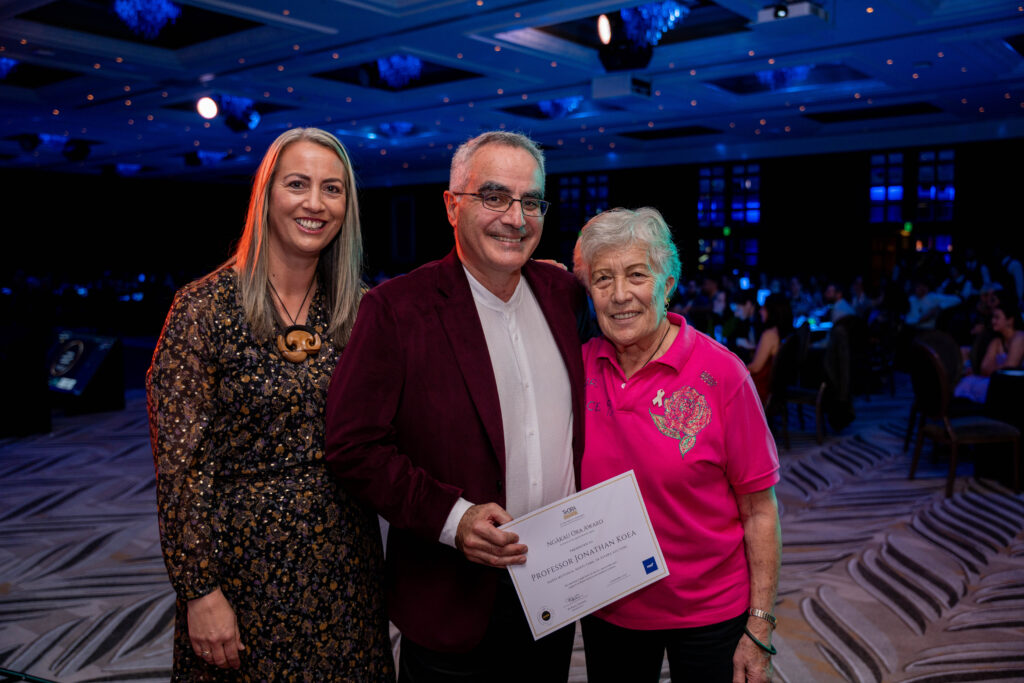
Pictured here with Dr Julie Wharewera-Mika from MAS and Ngaroma Ngata.
Iwi Health Award – in memory of Dr Tony Ruakere
Sponsored by Medical Assurance Society
Dr Jason Tuhoe
(Pare Hauraki, Ngāpuhi, Te Arawa)
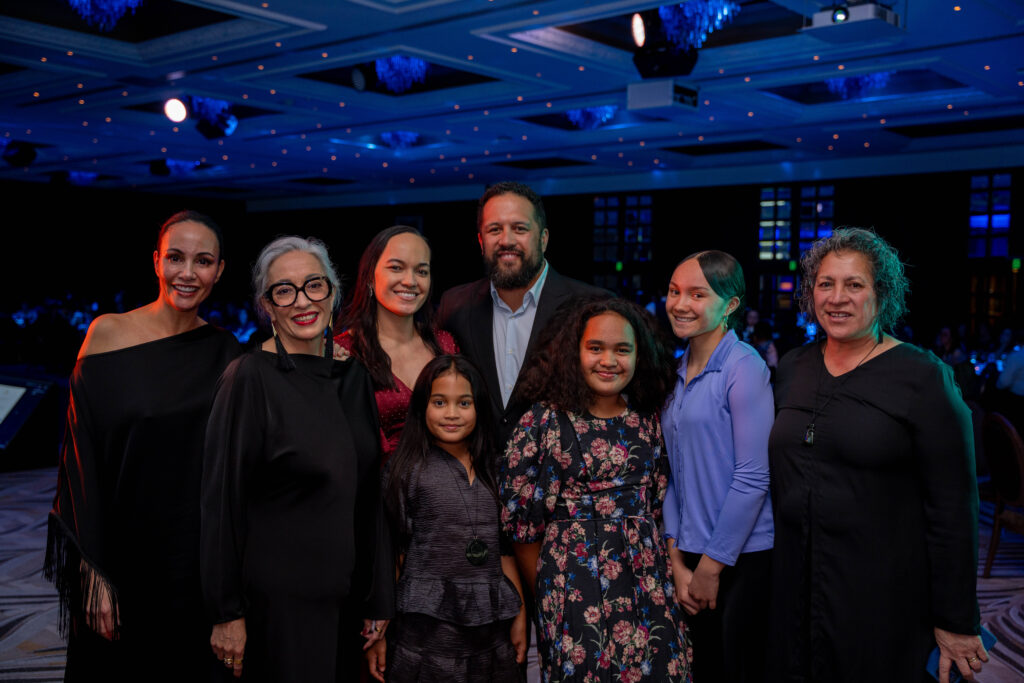
Pictured here with his whānau and the whānau of Dr Tony Ruakere.
Ngā Rangatira Matahīapo o te Hauora Award
Sponsored by Medical Assurance Society
Dr Mania Campbell-Seymour
(Te Whakatōhea, Te Aitanga a Māhaki, Kahungunu, Tūhoe)
and
Dr Turuki Tahuri
(Tūhoe, Ngāti Kahungunu ki Te Wairoa)
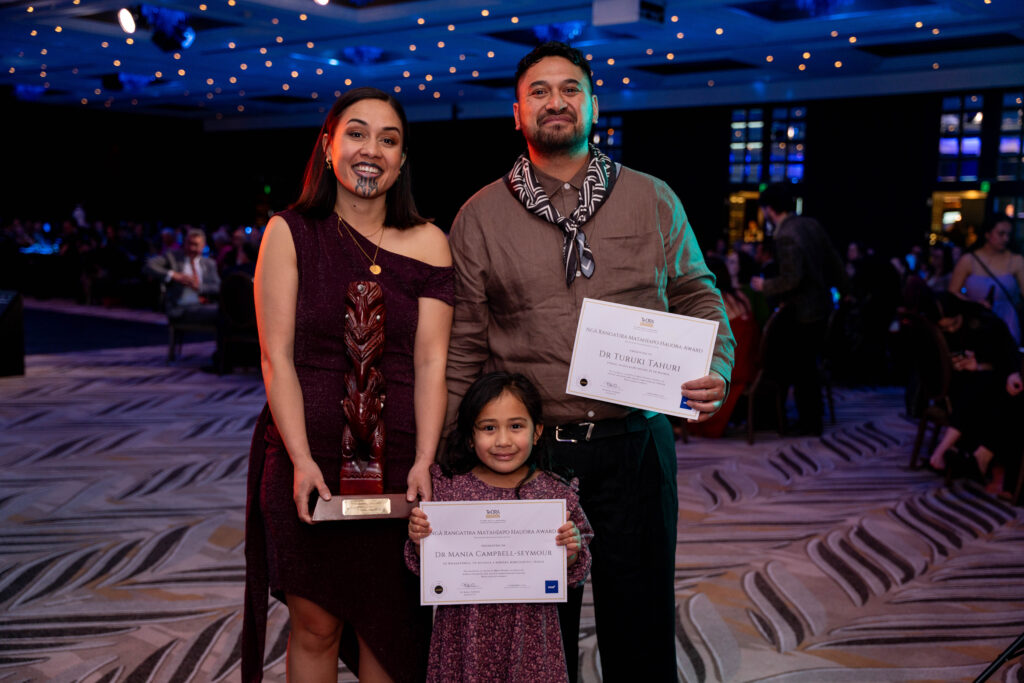
Pictured here with their daughter.
Te Tohu Whaioranga Rangahau – Excellence in Research Award
Sponsored by PHARMAC
Māia Lockyer
(Ngāti Kahungunu, Ngāti Porou, Ngāti Rongomaiwahine)
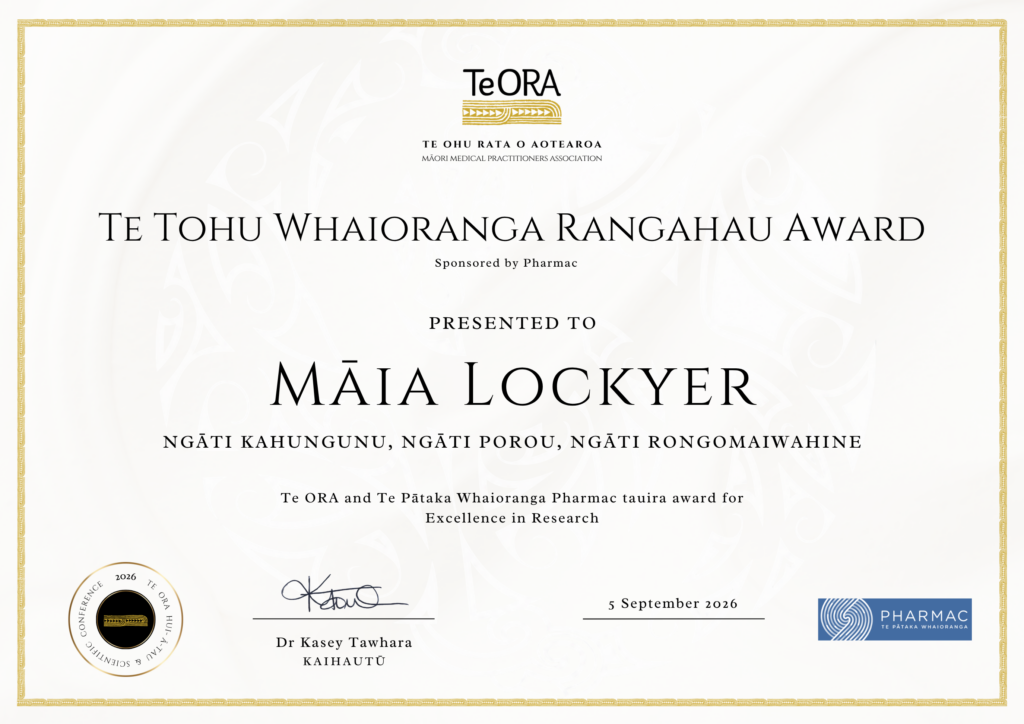
Māia shared a video on the night as she was unable to attend.
Te Tohu Whaioranga Hautūtanga – Excellence in Leadership Award
Sponsored by PHARMAC
Neave Burgess
(Te Ātiawa, Ngāruahine)
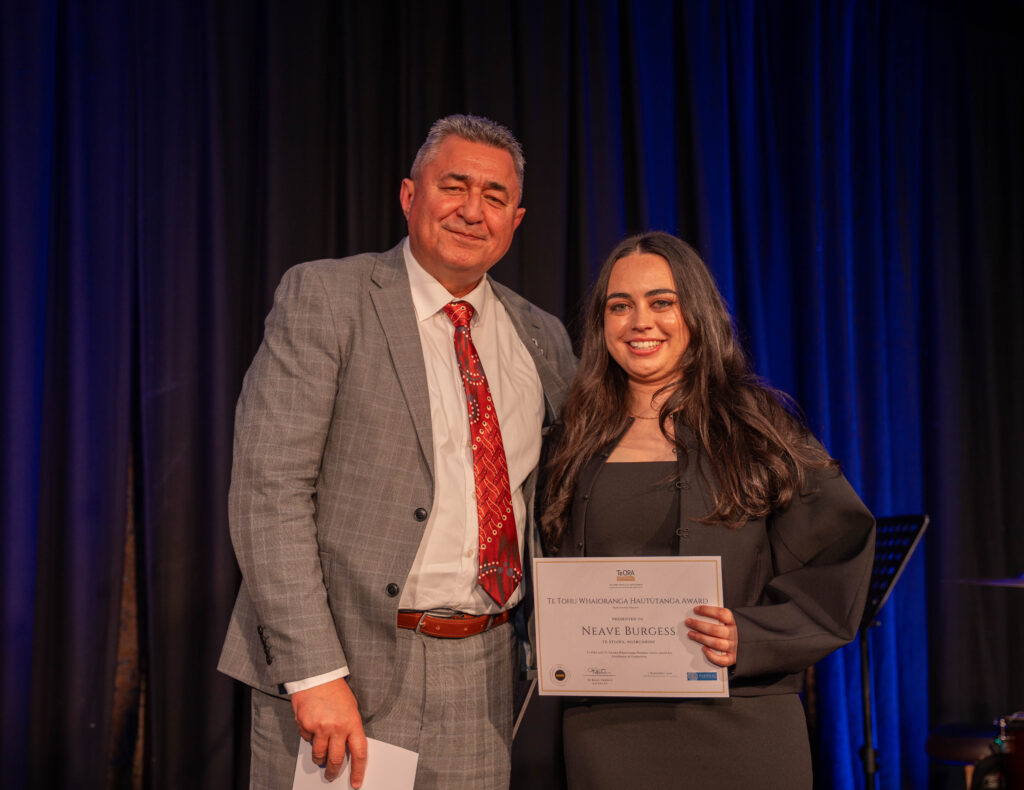
Pictured here with Trevor Simpson, Kaituruki Māori and Director Māori of Pharmac.
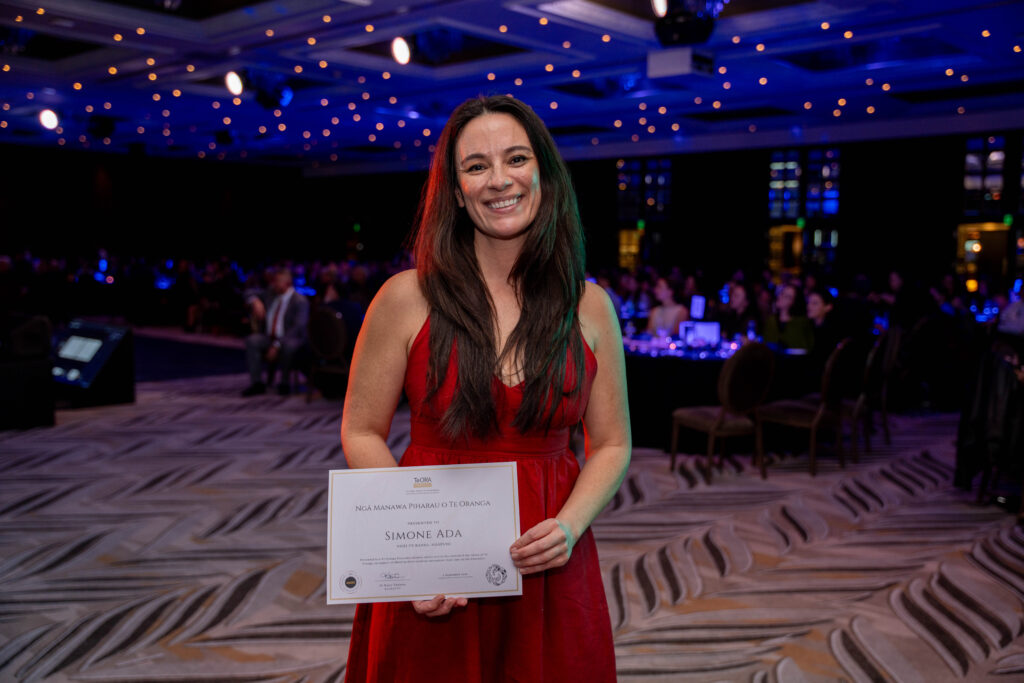
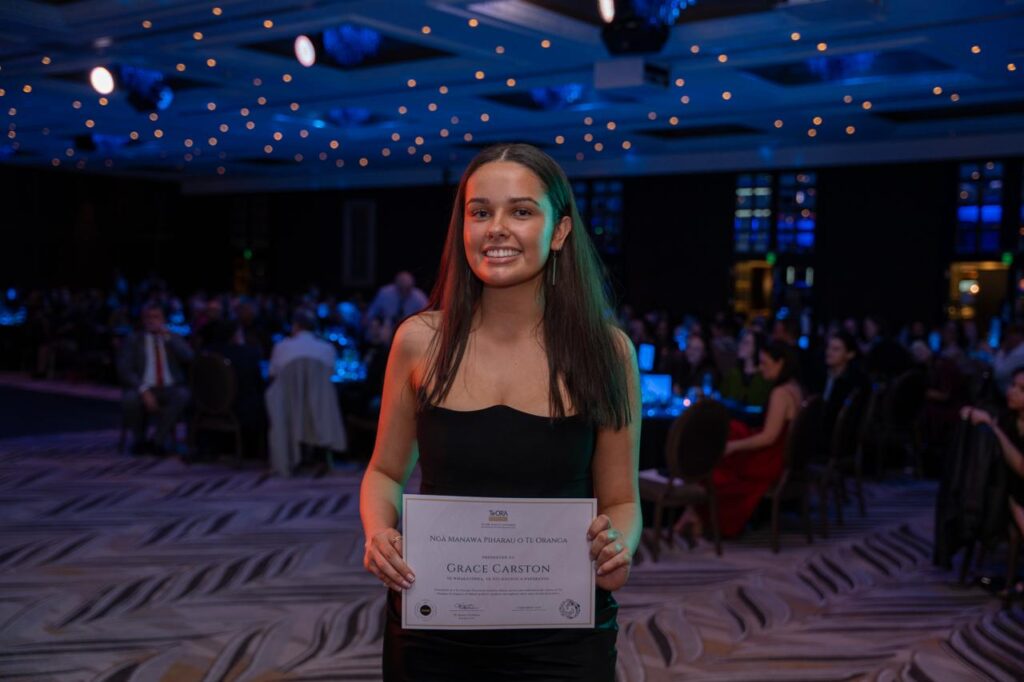
Ngā Manawa Piharau o Te Oranga
Presented for the first time in 2026
Simone Ada
(Ngāi Te Rangi, Ngāpuhi)
and
Grace Carston
(Te Whakatōhea, Te Āti-Haunui-a-Papārangi)
Medical Careers Expo – Best Expo Booth Award
Ngāti Porou Oranga
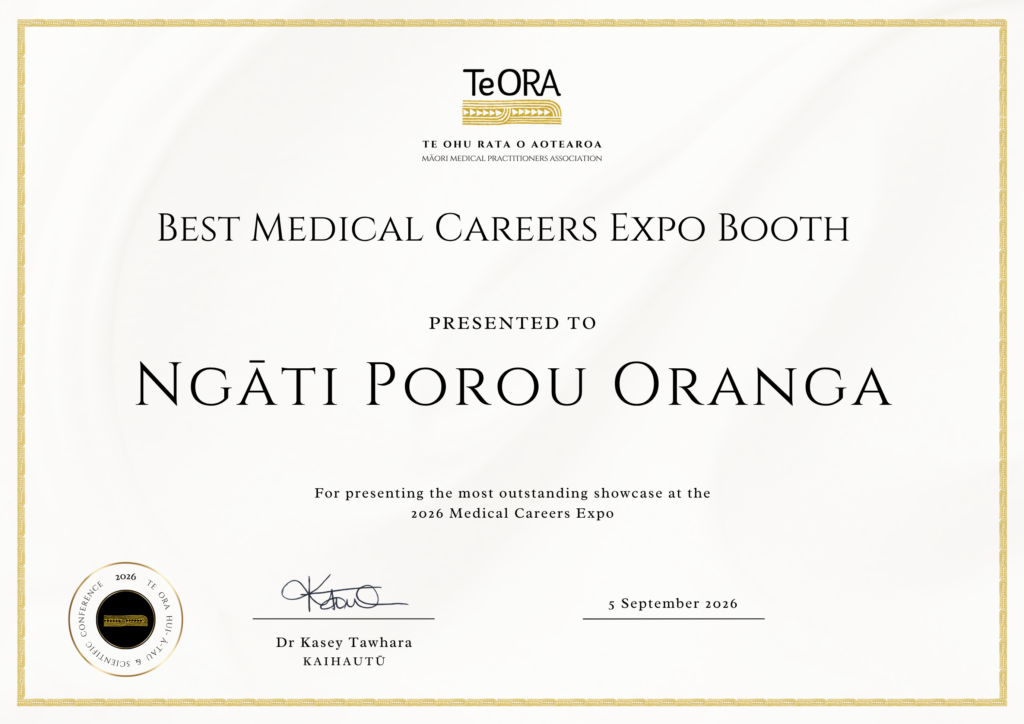
Attended by: Gilbert Taurua (CEO), Curtis Bristowe, Mona Smith-Tuhou
We would like to acknowledge our members who recently became Fellows of specialist medical colleges
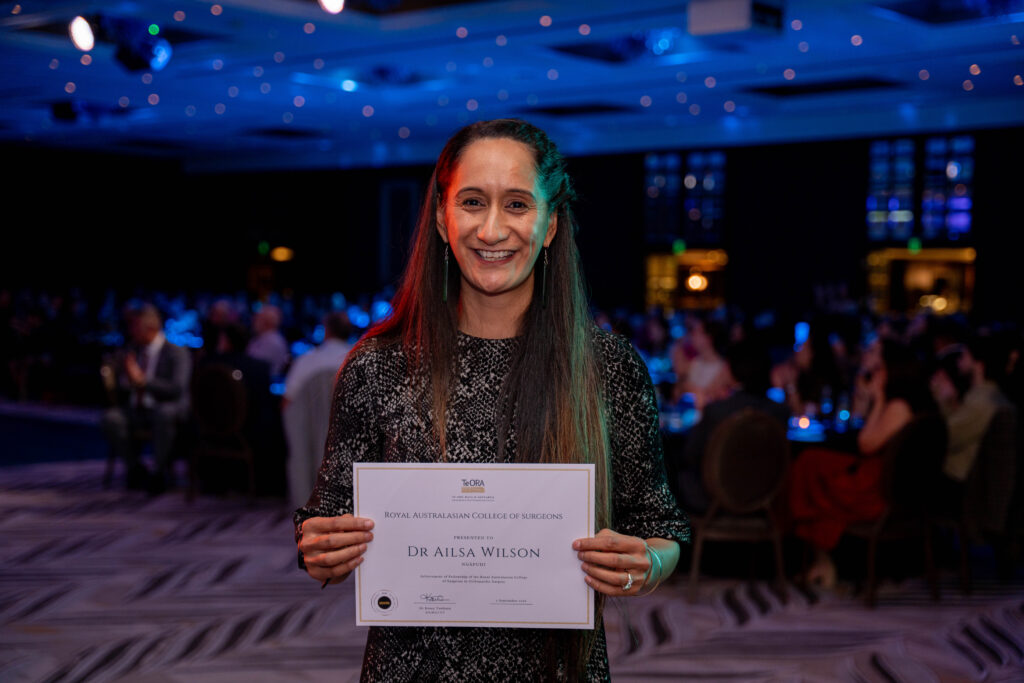
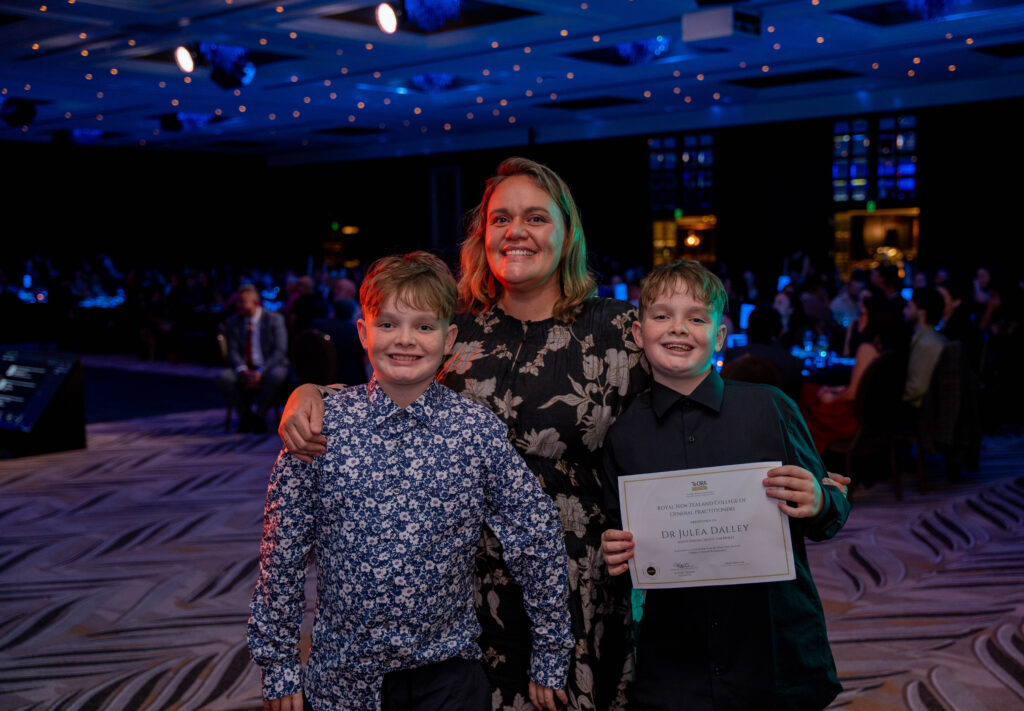
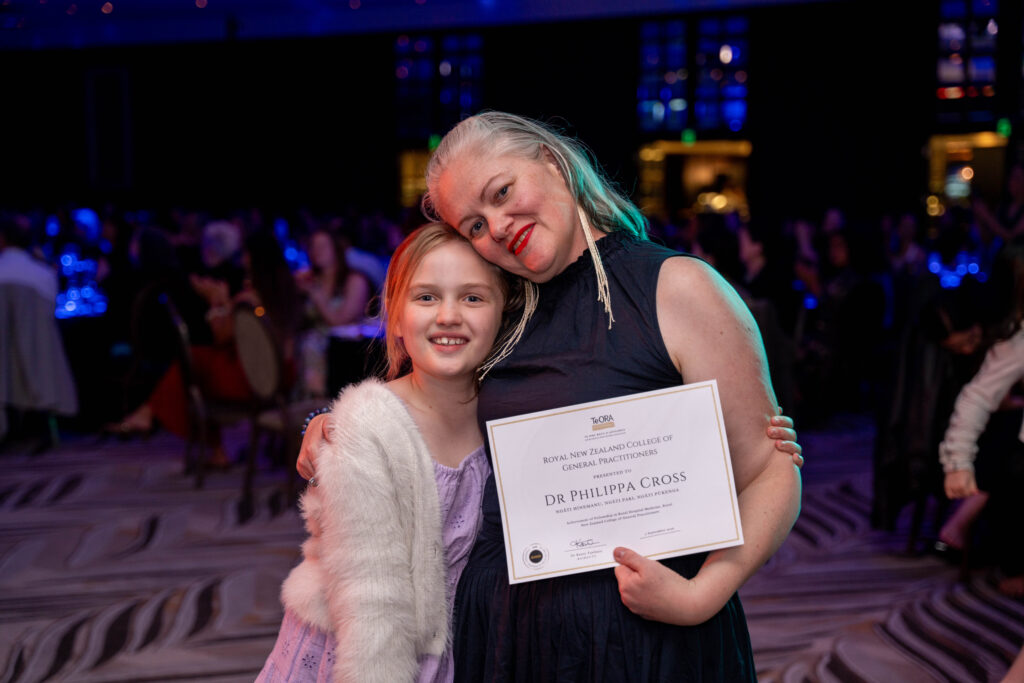
From left to right: Dr Ailsa Wilson, Dr Julea Dalley, Dr Philippa Cross
Royal Australasian College of Surgeons, Fellowship in Orthopaedics
Dr Ailsa Wilson
(Ngāpuhi)
Royal New Zealand College of General Practitioners
Dr Julea Dalley
(Ngāti Pikiao, Ngāti Tarāwhai)
Royal New Zealand College of General Practitioners, Fellowship in Rural Hospital Medicine
Dr Philippa Cross
(Ngāti Hinemanu, Ngāti Paki, Ngāti Pūkenga)
We would like to acknowledge our members who recently graduated Medical School
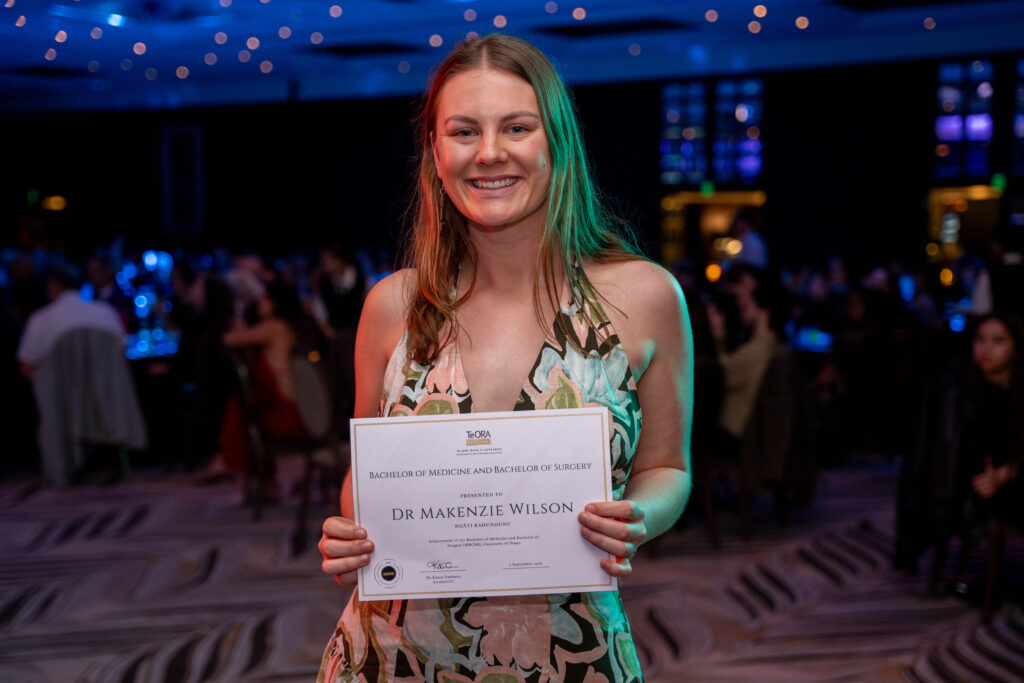
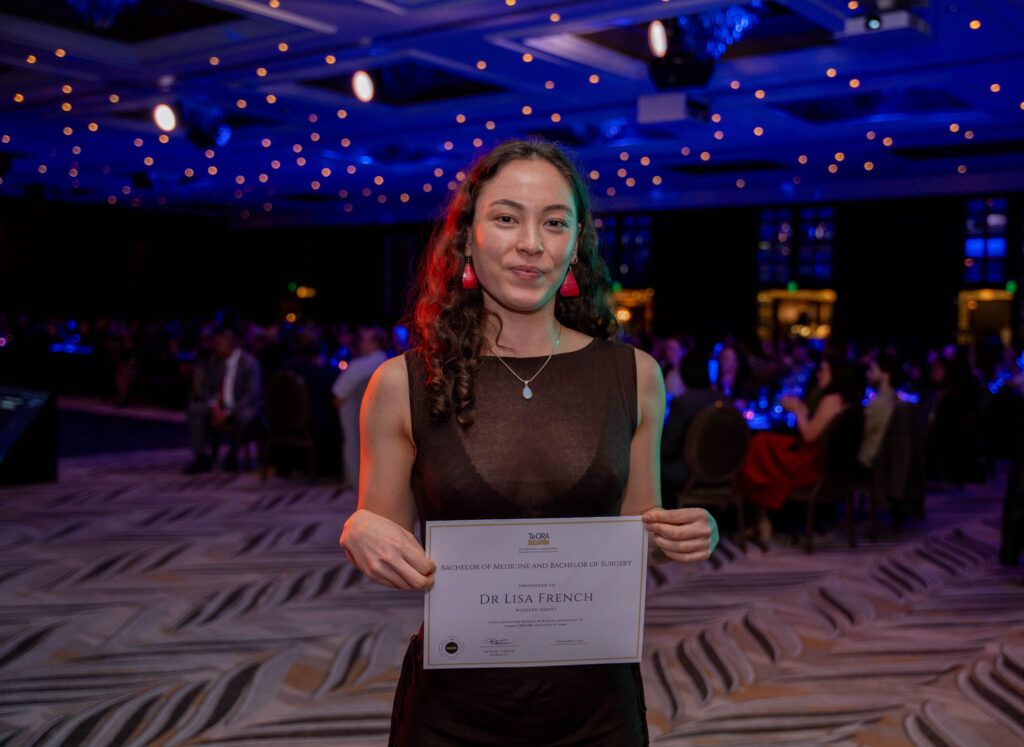
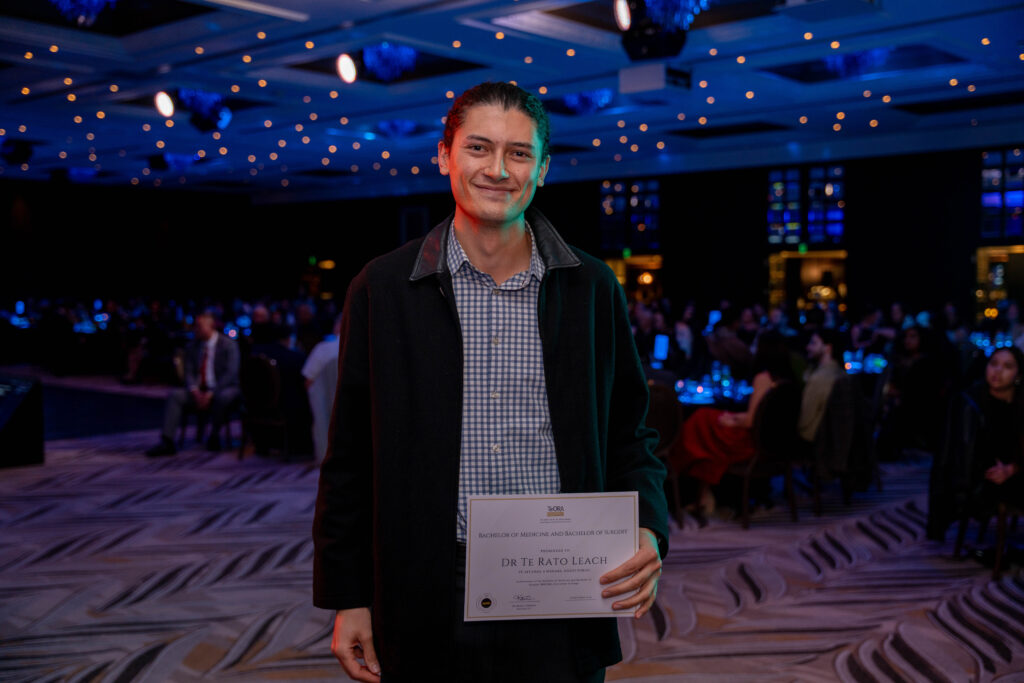
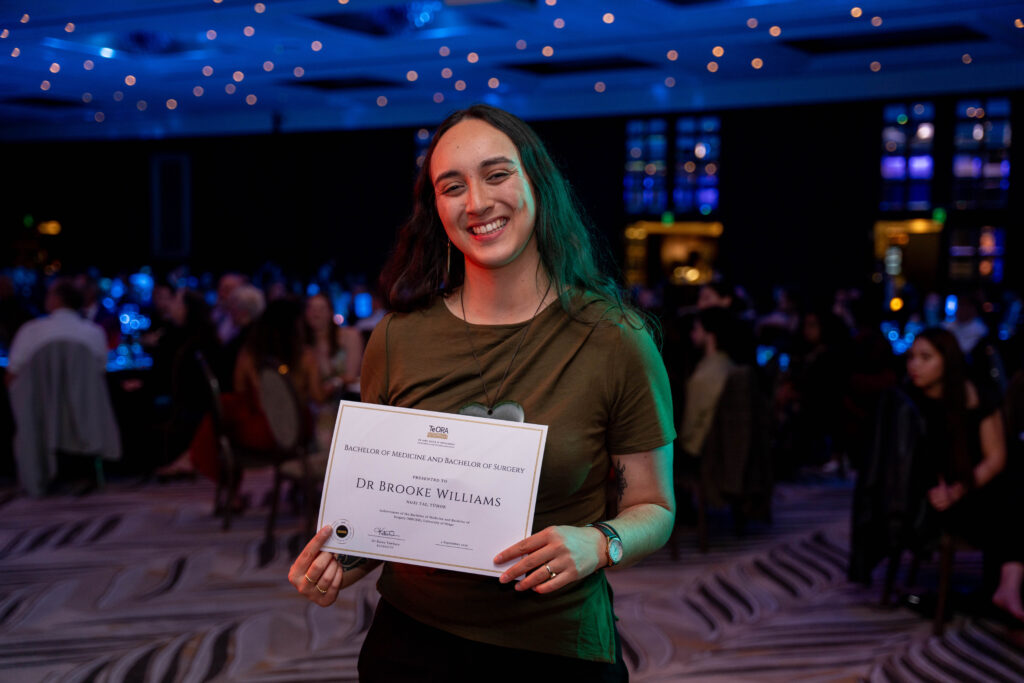
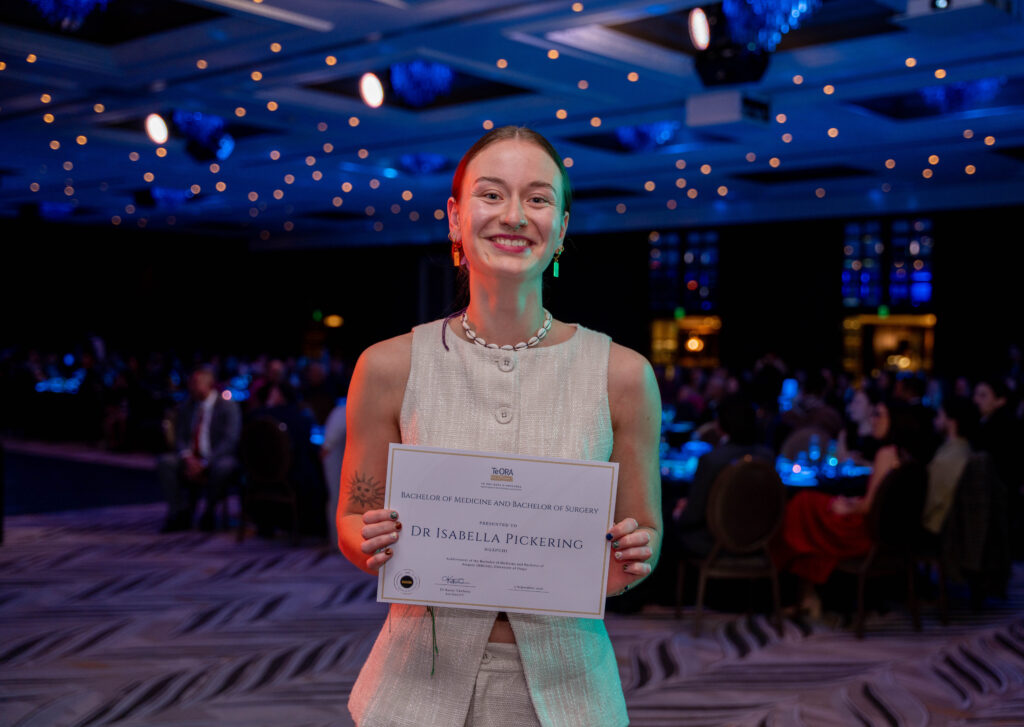
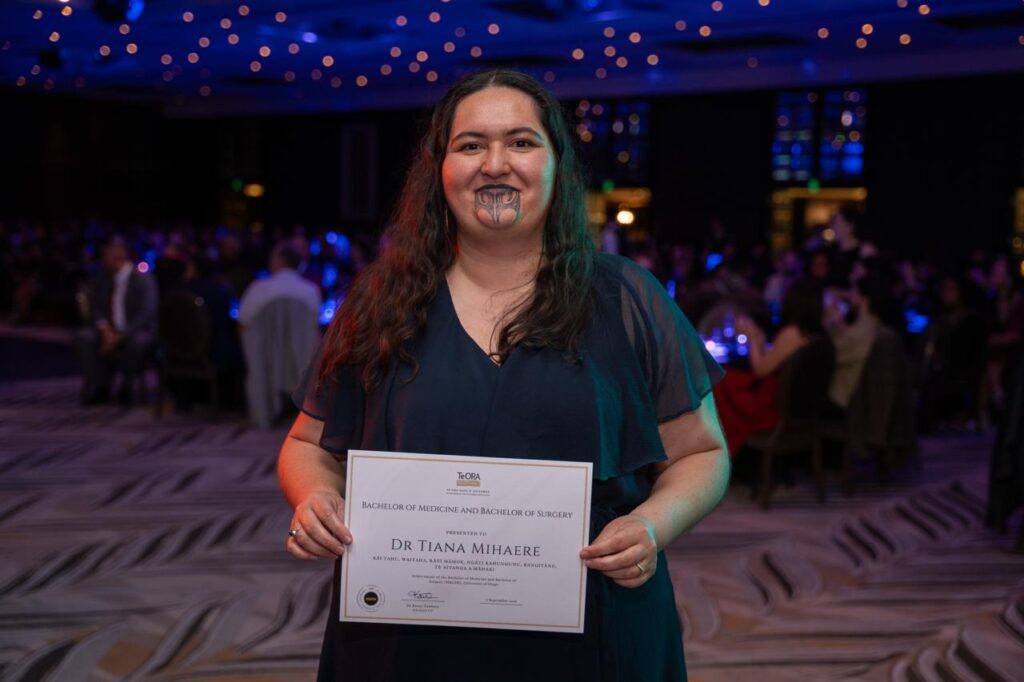
From left to right: Dr Makenzie Wilson, Dr Lisa French, Dr Te Rato Leach, Dr Brooke Williams, Dr Isabella Pickering, Dr Tiana Mihaere.
Acknowledged here are the graduates who were able to be with us on the night. We also acknowledge all of our graduates from both Otago and Auckland who were unable to attend.
Medical School Graduates
University of Otago
- Dr Makenzie Wilson (Ngāti Kahungunu)
- Dr Lisa French (Waikato Tainui)
- Dr Te Rato Leach (Te Aitanga a Māhaki, Ngāti Porou)
- Dr Brooke Williams (Ngāi Tai, Tūhoe)
- Dr Isabella Pickering (Ngāpuhi)
- Dr Tiana Mihaere (Kāi Tahu, Kāti Māmoe, Ngāti Kahungunu, Rangitāne, Te Aitanga a Māhaki, Waitaha)
Seeing all of these people celebrated in one room was pretty special. It showed the breadth of what contribution to Māori health looks like: research, clinical practice, iwi health, leadership, advocacy and the work of supporting the next generation. And then there were the newly qualified doctors and the newly achieved fellows, which made the evening feel even more like a celebration of whakapapa.
It also reinforced something that was evident throughout the entire weekend. There is an incredible depth of talent, commitment, generosity, ferocity and absolute awesomeness within our Māori medical community. The feeling of connection across generations is next level amazing. The weekend made it very clear that the opportunities we have as junior Māori doctors have not appeared by accident. They have been built by people who came before us, people who persisted, advocated, challenged inequity and created organisations and relationships that have allowed the next generation to stand a little taller.
There was an enormous amount of aroha and gratitude for that work. And the rich whakapapa and presentations generated so much excitement and curiosity. Because once you understand the whakapapa and hear Māori doctors present our research, you start to realise that you aren’t just attending a meeting or conference about someone else’s story. You have a place in it. Understanding that whakapapa made the junior members present feel not only incredibly grateful for what has gone before, but excited about what we might be able to contribute to this space ourselves.
The superheroes of the past and present are handing us something pretty incredible. And it is, or will soon be, our turn to decide what we do with it. The hui left many feeling incredibly proud to be part of this whānau, grateful for those who have gone before us, and genuinely excited about what the next generation of Māori doctors will contribute.
Titiro whakamuri. Kōkiri whakamua.
Look back with gratitude.
Learn from the superheroes past and present.
And move forward together.
With Gratitude
This hui was only possible through the efforts of many.
We thank our sponsors for their generous support:
- Pharmac
- Medical Assurance Society (MAS)
- Health New Zealand | Te Whatu Ora
- Royal Australasian College of Surgeons
- The Royal Australian and New Zealand College of Obstetricians and Gynaecologists
- Australasian College of Emergency Medicine
- The Royal Australian and New Zealand College of Radiologists
- The College of Intensive Care Medicine of Australia and New Zealand
- New Zealand College of Public Health Medicine
- Royal New Zealand College of General Practitioners
- The Royal Australian and New Zealand College of Ophthalmologists
- The Royal Australasian College of Physicians
- The Australian and New Zealand College of Anaesthetists
- The Royal Australasian College of Medical Administrators
- Te Wānanga Waiora, The Division of Health at the University of Waikato
- Ngāti Porou Oranga
- The Maarire Goodall Charitable Trust
Ngā mihi to Waipapa Marae and to Waipapa Taumata Rau, the University of Auckland, for welcoming us and providing such strong manaaki throughout the weekend. Ngā mihi also to the team at Cordis Auckland for hosting our Awards Dinner.
Thank you to the Te ORA staff, Jared Vinnicombe and Margaret Walsh, for your organisation and commitment, to our Board for your leadership, to Dr Jade Tamatea, Professor Matire Harwood, Professor Papaarangi Reid, and Professor Sue Crengle for putting the scientific programme together, and to everyone who donated their time in helping across the weekend.
Finally, thank you to every member, tauira, whānau and supporter who attended. Your presence and contributions made Te ORA’s 30th anniversary the success that it was.